
What is wheat grass?
Wheat grass comes from the same plant as wheat flour, but it's harvested at the early grass stage, roughly seven to ten days after sprouting, before any gluten-containing grain develops. This is why many wheat grass products are marketed as suitable for people avoiding grain-stage wheat, though anyone with celiac disease should still verify testing.
The young grass is either cold-pressed into juice or dried and milled into a fine powder, which is the form typically used in greens blends. Drying it at low temperatures is intended to preserve more of its natural chlorophyll and nutrient content.
What are the benefits of wheat grass?
Wheat grass is a natural source of chlorophyll, along with smaller amounts of vitamin C, vitamin A precursors, and minerals like iron and magnesium. Chlorophyll-rich greens are traditionally associated with supporting the body's natural detoxification processes and contributing to an alkaline-leaning diet.
Because it's a whole-plant ingredient rather than an isolated compound, wheat grass contributes a broad mix of trace nutrients to a greens formula, complementing more concentrated ingredients like spirulina or kale rather than replacing them.
How much wheat grass is in Daily Greens?
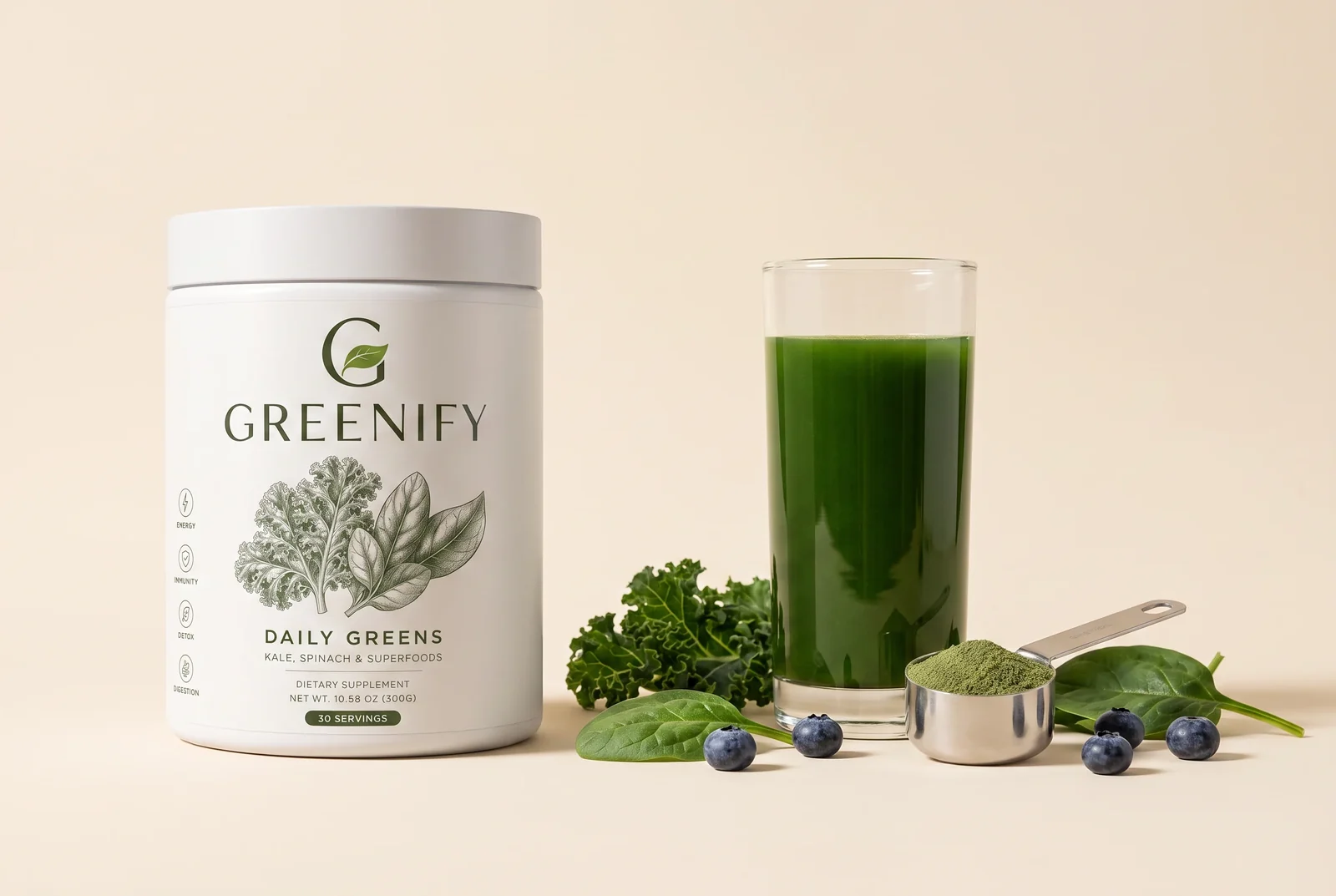
Wheat grass sits within the 2.6 g superfood, antioxidant and mushroom blend in Daily Greens, alongside other leafy greens and vegetables. As with the rest of the blend, the individual gram weight isn't listed separately on the label.
Who should be careful with wheat grass?
People with wheat or gluten allergies should check with the manufacturer about cross-contact and testing protocols, since wheat grass is grown from a wheat seed even though the grass itself is typically gluten-free at the stage it's harvested. Grass allergies and mold sensitivity are also worth considering, since freshly juiced wheat grass in particular can occasionally cause mild nausea in sensitive individuals.
If you are pregnant or nursing, or have a compromised immune system, it's sensible to confirm that any wheat grass powder you use has been tested for mold and bacteria, which are a known risk with poorly processed grass products.
Wheat Grass questions, answered
- Is wheat grass safe for people avoiding gluten?
- Wheat grass is harvested before the grain forms and is often low in gluten, but it is not guaranteed gluten-free unless specifically tested, so people with celiac disease should look for a certified gluten-free product.
- What does wheat grass do in a greens powder?
- It contributes chlorophyll and a range of trace vitamins and minerals, adding to the overall micronutrient density of a blended greens formula.
- Can wheat grass upset your stomach?
- Some people notice mild digestive changes when first introducing wheat grass, particularly fresh juice; starting with a smaller amount can help the body adjust.
Ingredients it works with
- Alfalfa LeafA traditional green rich in chlorophyll and trace minerals that supports everyday nutrient coverage.
- KaleA cruciferous staple that supports the body's normal detoxification pathways.
- SpirulinaA blue-green algae naturally dense in plant protein and phycocyanin, supporting energy and vitality.
Wheat Grass is one of 56 in a single scoop.
Daily Greens prints every blend weight on the label — part of the 2.6 g superfood, antioxidant and mushroom blend.
This page is general information, not medical advice. Statements have not been evaluated by the Food and Drug Administration. This product is not intended to diagnose, treat, cure or prevent any disease. Speak to your clinician before starting a new supplement, especially if you are pregnant, nursing or taking medication.