
Nutrition
Are Greens Powders Worth It? An Honest Cost-and-Benefit Look
Last updated: August 2026
Greens powders are worth it for people who won't otherwise eat much fresh produce and want a low-effort daily backstop. They're a poor purchase for anyone hoping they'll fix a genuinely unhealthy diet or replace real food.
Greenify Editorial • August 8, 2026 • 8 min read
Written and fact-checked by the Greenify nutrition team against product labels and published nutrition guidance. Our editorial standards
- Value
- Cost per day
- Evidence
- Greens Powder
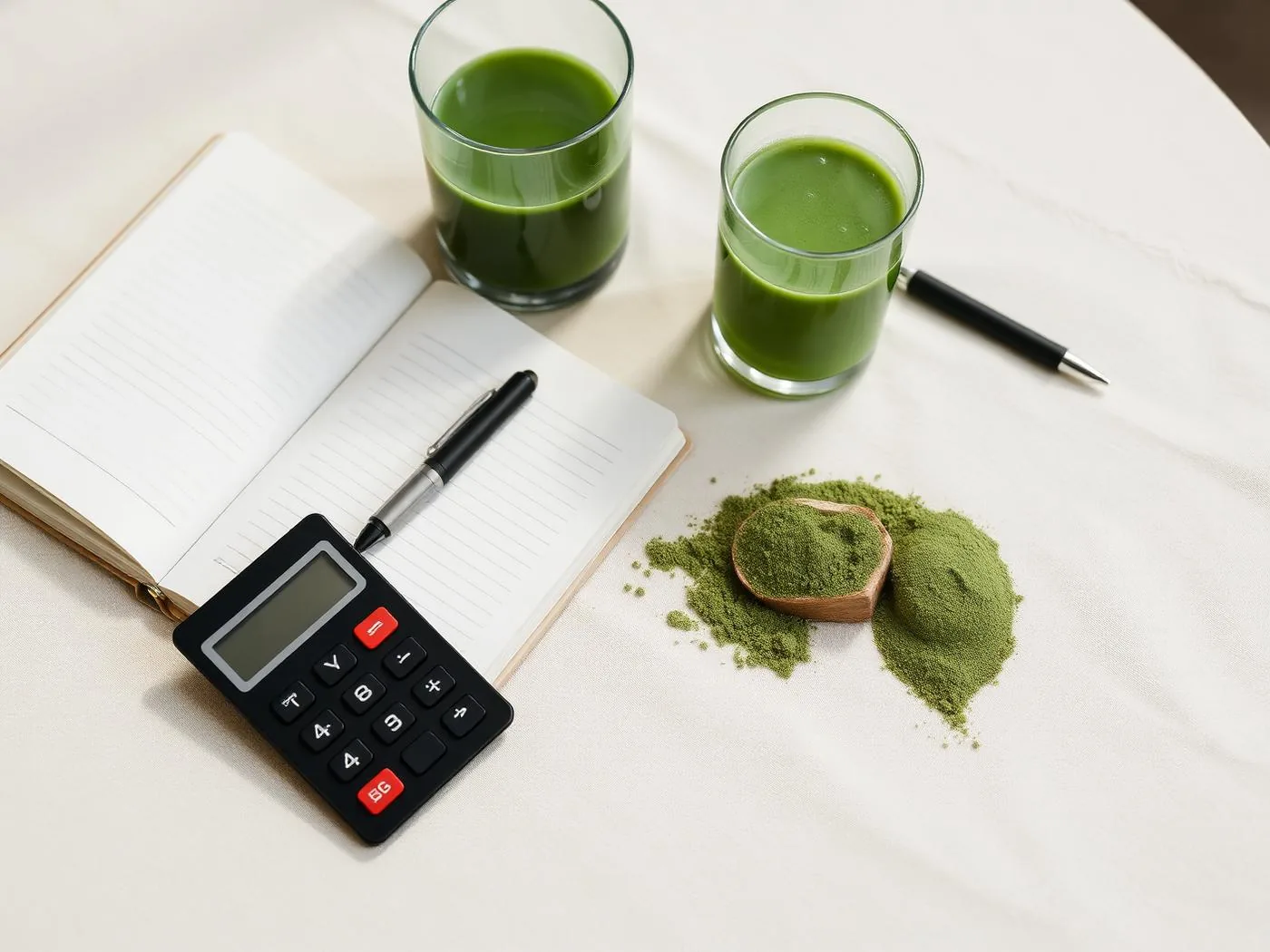
Whether a greens powder is worth it depends on what you're comparing it to: against doing nothing about a produce-light diet, a well-formulated one at $1.50–$2.50 a day is a reasonable, low-effort addition. Against actually eating more vegetables, whole food wins on cost, fiber and satiety every time. The honest answer is that it's a convenience product for a specific kind of gap, not a universal upgrade everyone needs.
Are greens powders worth the money?
For some people, yes; for others, no — and the honest answer depends on what your diet already looks like. If you rarely eat vegetables on a normal week, a daily scoop that adds real fruit, vegetable and herb content back into your routine is a reasonable, low-effort way to close some of that gap, and the cost (typically $1.50 to $3.50 a day depending on the brand and pack size) is modest next to what many people already spend on coffee or other daily habits.
If you already eat a varied, vegetable-forward diet, sleep reasonably well and don't have a specific gap you're trying to fill, a greens powder is mostly redundant — you're paying to duplicate nutrients you're already getting from food, which is a weaker value proposition than for someone starting from a gap.
What does a greens powder actually cost over a year?
At a typical $1.50–$3.50 per day, a daily habit adds up to roughly $550–$1,275 a year — a real number worth budgeting for deliberately rather than absorbing quietly into a supplement drawer. Multi-tub bundles usually lower that per-day figure meaningfully compared to buying single tubs repeatedly, so if you decide to commit, buying a larger pack (or at minimum comparing the per-day cost across pack sizes) is the more economical move rather than a marketing upsell.
It's also worth comparing that annual figure to the alternative use of the same money: a produce delivery box, a few extra trips to a farmers market, or simply buying more frozen vegetables. None of those options are mutually exclusive with a greens powder, but they're worth weighing side by side rather than assuming the powder is automatically the more efficient spend.
Try it with a real safety net
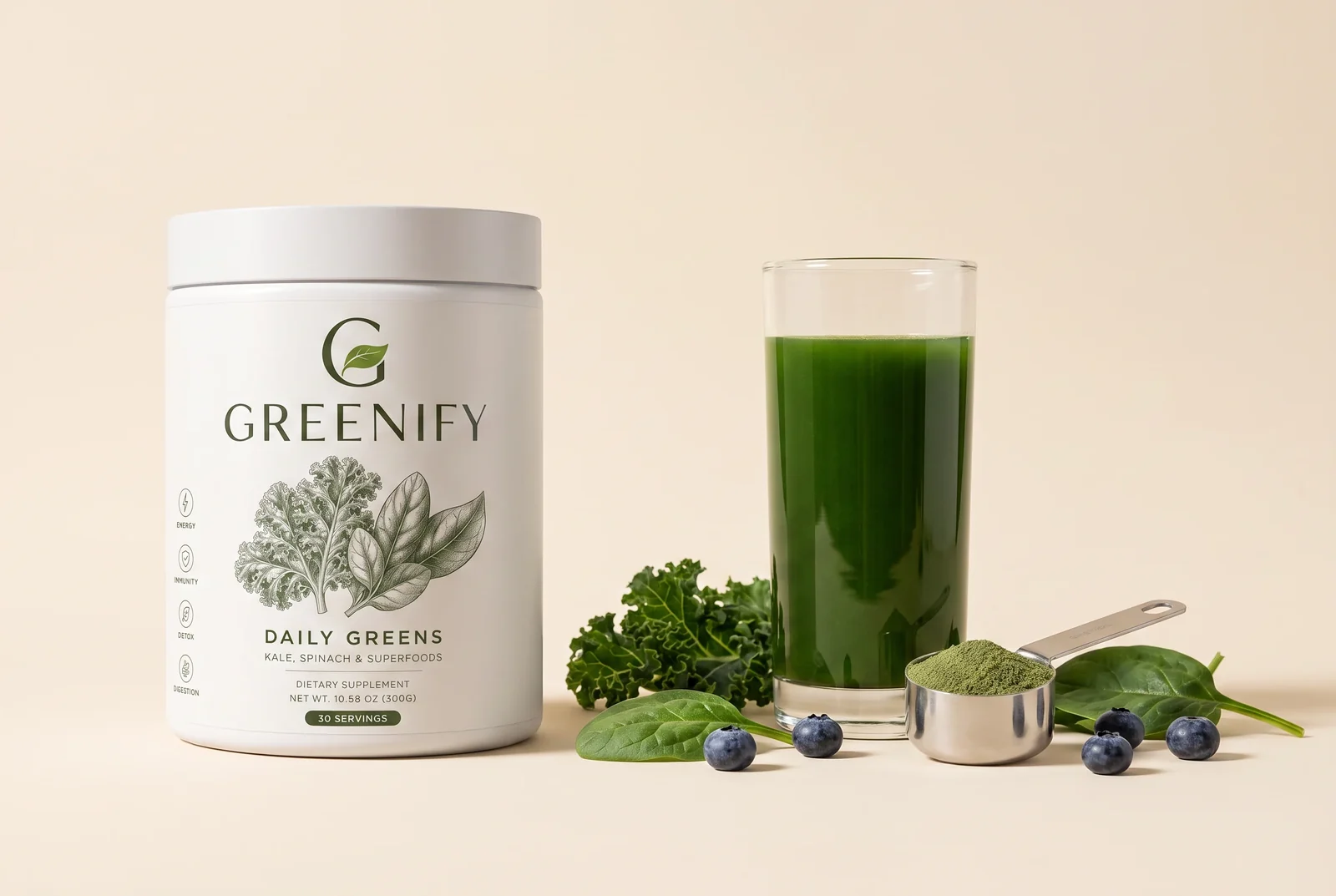
60 days to decide if it's worth it for you
$1.40–$2.33 a day, four disclosed blends, and a 60-day money-back guarantee if it turns out not to be the right fit.
What benefit can I realistically expect?
Realistically: a modest, useful boost to your intake of vitamins, fiber and plant compounds that you might otherwise miss, plus whatever probiotic and enzyme support the specific formula includes. Many people report steadier energy and easier digestion within the first couple of weeks of consistent use, which lines up with the fiber, B-vitamin and hydration habits a daily scoop routine tends to reinforce. Nutrient-driven effects like skin or immune support, where included, build more slowly and require sustained daily use over months rather than days.
What you should not expect: weight loss as a primary outcome, disease prevention or treatment, or a substitute for medical care. No legitimate greens powder claims to do those things, and any that implies otherwise is overselling itself.
What does the research say about whether they work?
It says the individual ingredients commonly used — leafy greens, fruit and berry powders, certain probiotic strains, adaptogenic herbs — each have some research behind them, but that research is generally made up of small, short trials on the individual compound, not large studies on a finished multi-ingredient blend as sold in a tub. The relationship between eating more fruit and vegetables generally and better long-term health outcomes is well established by public health bodies like the WHO and USDA; whether a powdered, processed version delivers the same benefit as the whole food it's derived from is a genuinely open question that varies by nutrient and by how the ingredient was processed.
In practice, that means it's reasonable to treat a greens powder as a plausible, modest nutritional backstop, and unreasonable to treat it as a proven health intervention on the strength of the ingredient list alone.
Who should honestly skip a greens powder?
A few groups are better off saving the money. Anyone who already eats a genuinely varied, vegetable-rich diet most days doesn't have the gap a greens powder is designed to fill. Anyone hoping a powder will meaningfully offset a diet that's otherwise heavy in processed food will likely be disappointed — a scoop of concentrated plant powder cannot outrun a diet built around the opposite pattern. And anyone looking for a treatment for a diagnosed medical condition should be working with a doctor, not a supplement aisle; a greens powder is not designed or intended to treat, cure or prevent any disease.
If any of that describes you, the money is probably better spent on fresh produce directly, a consultation with a dietitian, or simply left unspent.
How do I know if it was worth it for me personally?
The fairest test is a real trial period with a real guarantee attached, since taste tolerance and individual response vary too much to predict from a label alone. Buy from a brand with a genuine money-back window, use it daily and consistently for the full window, and track something concrete — energy through the afternoon, digestive comfort, or simply whether you kept up the habit without dreading it. If none of that changes and you didn't enjoy taking it, that's a legitimate, informative outcome, and a real guarantee should let you get your money back rather than eat the cost of finding out.
Where does Greenify Daily Greens land on this?
Daily Greens costs $69.95 for a single 30-serving tub ($2.33/day), dropping to $1.40/day on the largest bundle — squarely inside the typical range for the category rather than at either extreme. The formula discloses its four blend weights (2.6g superfoods, 1.2g herbs and adaptogens, 406mg fiber and enzymes, 2.5 billion CFU probiotics) so you can judge the dose rather than just the ingredient count, and every order carries a 60-day money-back guarantee, which is the mechanism we'd point to above for actually answering the "is it worth it for me" question rather than guessing.
Frequently asked questions
- Is it worth taking a greens powder every day?
- It's worth it for people whose regular diet doesn't include much fresh fruit or vegetables and who want a low-effort daily backstop. It's a weaker purchase for people who already eat well or who expect it to fix an otherwise poor diet.
- How much do greens powders cost per day?
- Typically $1.50 to $3.50 per day depending on the brand and pack size, which adds up to roughly $550–$1,275 a year on a daily habit. Multi-tub bundles usually lower the per-day cost compared to buying single tubs.
- Can a greens powder replace eating vegetables?
- No. It's a supplement to a diet, not a substitute for whole vegetables, which provide fiber and food structure a powder doesn't fully replicate. No reputable brand claims otherwise.
- Do greens powders have scientific evidence behind them?
- The individual ingredients commonly used have some research support, but it's generally from small, short trials on individual compounds rather than large studies on the finished blended product. Treat specific disease-related claims with skepticism.
- Who shouldn't bother with a greens powder?
- People who already eat a varied, vegetable-rich diet, and anyone hoping a powder will offset a genuinely poor diet or treat a medical condition. In both cases the money is likely better spent elsewhere.
- How can I tell if a greens powder is worth it for me specifically?
- Try it consistently for the length of the brand's money-back guarantee window and track something concrete, like energy or digestion. A real guarantee means you can get a refund if it doesn't turn out to be worth it for your body.